


Is Mouth Taping Safe? Risks, Myths & How to Use KOEC Mouth Tape Correctly
Is Mouth Taping Safe? Risks, Myths & How to Use KOEC Mouth Tape Correctly
Mouth taping has exploded in popularity on TikTok, Instagram and wellness blogs. You see people going to bed with a small strip over their lips, talking about deeper sleep, less snoring and better “beauty sleep”. But if you’re honest, your first reaction might be: “Is this even safe? What if I can’t breathe?”
Those questions are completely normal. You should never play with your breathing without understanding what you’re doing. The good news is that, for many healthy adults, mouth taping can be safe when done correctly — and when you use a product designed specifically for sleep, like KOEC Mouth Tape.
This guide will walk you through how mouth taping works, who it can help, who should avoid it, and how to use KOEC safely so you can enjoy the potential benefits (less snoring, less dry mouth, more nasal breathing) without ignoring important risks.

What Exactly Is Mouth Taping?
Mouth taping is the practice of placing a soft strip over your lips before sleep to help keep your mouth gently closed. The goal is not to block your breathing — it’s to encourage nasal breathing, which is how your body is designed to breathe at rest.
Instead of using random household tape, a dedicated product like KOEC Mouth Tape is made specifically for sleep. KOEC uses a soft fabric-like strip, a skin-friendly adhesive and a small central vent so that you:
- Can still release air if you really need to
- Don’t feel like your mouth is “sealed shut”
- Have a gentler, more comfortable experience all night
Think of KOEC not as a roll of tape, but as a sleep strip — designed for the lips, the skin and the nightly routine of someone who cares about sleep quality and beauty sleep.
Why Do People Use Mouth Tape in the First Place?
Most people try mouth taping because they’re dealing with one or more of these problems:
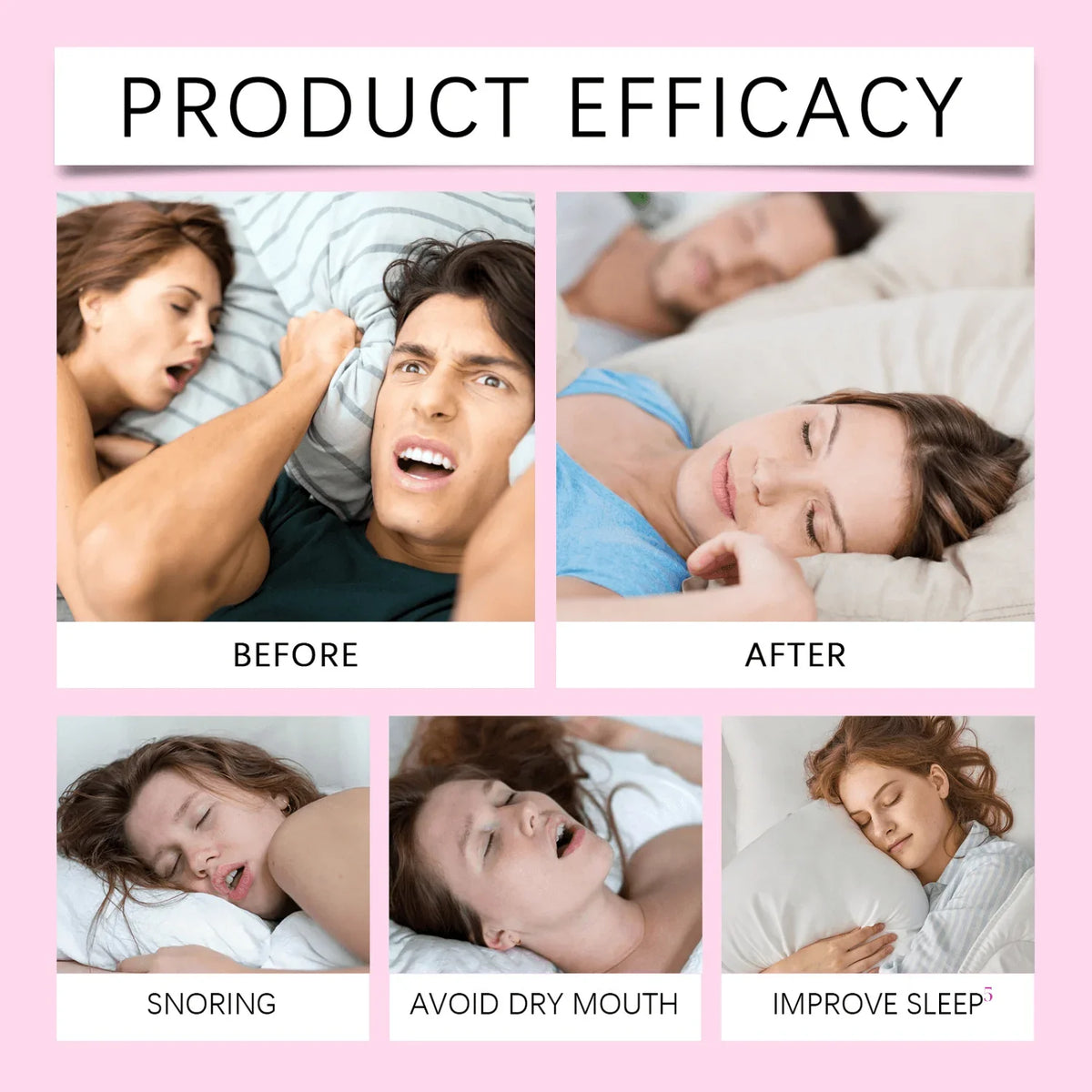
- Snoring: Their partner complains about loud snoring at night.
- Dry mouth or sore throat: They wake up with a dry, sticky mouth or a scratchy throat.
- Mouth breathing: They’ve realised (or been told) that they sleep with their mouth open.
- Low-quality sleep: They sleep 7–8 hours but still wake feeling unrefreshed.

All of these are often linked to mouth breathing at night. When your mouth hangs open for hours:
- More air rushes past your throat, increasing snoring
- Saliva evaporates, causing dry mouth and irritation
- Your sleep is often more shallow and fragmented
By gently supporting the lips to stay together, mouth taping with KOEC Mouth Tape can encourage nasal breathing, which is associated with quieter, deeper and more restorative sleep.
The Biggest Fears About Mouth Taping (And the Reality)
Before talking about benefits, it’s important to address the common fears and myths around mouth taping head-on.
Fear #1: “What if I can’t breathe and I suffocate?”
This is the most common worry. In reality, if you’re a healthy adult who can breathe comfortably through your nose, your body will naturally switch to nasal breathing once your lips are gently supported.
With KOEC Mouth Tape, you are not using duct tape or something super strong. You’re using a soft strip with skin-kind adhesive and a small vent. If you cough, sigh or need to force your mouth open, you can.

Fear #2: “What if my nose gets blocked during the night?”
If you have heavy congestion, a bad cold or chronic nasal blockage, you should not use mouth tape until your nose is clear and a doctor has approved it. For mild congestion, many people:
- Clear their nose before bed
- Use saline spray
- Start with short sessions (for example, wearing the strip while reading for 30 minutes)
If at any point you feel that nasal breathing is difficult, you simply remove the strip. Mouth taping should always feel like support — not a struggle.
Fear #3: “Is mouth taping dangerous for everyone?”
No. But it is also not for everyone. For many healthy adults, gentle mouth taping can be safe when used correctly. For others, especially those with certain medical conditions, it is not appropriate. We’ll cover that in detail below.
Who Should Not Use Mouth Tape?
To keep mouth taping safe, it’s crucial to know exactly when to avoid it. You should not use KOEC Mouth Tape or any mouth tape if you:
- Have been diagnosed with moderate or severe obstructive sleep apnea (unless your doctor explicitly approves mouth taping as part of your treatment).
- Have serious, chronic nasal obstruction and cannot breathe comfortably through your nose.
- Have a current respiratory infection with heavy congestion or blocked sinuses.
- Experience frequent night-time panic attacks or severe claustrophobia.
- Have significant cardio-pulmonary disease where any change in breathing could be risky.
- Are intoxicated (drunk) or under strong sedative medication.

If you are unsure whether you fall into one of these groups, the safest choice is to ask your doctor or a sleep specialist first. KOEC Mouth Tape is a wellness tool, not a medical treatment, and your health always comes before any experiment.
Who Might Safely Benefit from Mouth Taping?
On the other hand, many adults who:
- Can breathe comfortably through their nose
- Do not have serious respiratory conditions
- Struggle with snoring, dry mouth or mild mouth breathing at night
may find that gentle mouth taping improves their sleep comfort. Some notice:
- Reduced snoring volume or frequency
- Fewer awakenings with a dry mouth
- A calmer, steadier breathing rhythm
- Feeling more refreshed in the morning

Remember: even in this group, mouth taping should be introduced slowly and intentionally, not as a trendy challenge.
How to Use KOEC Mouth Tape Safely (Step-by-Step)
If you and your doctor feel comfortable with the idea of trying mouth taping, here is how to use KOEC Mouth Tape as safely as possible.
Step 1: Check Your Nasal Breathing While Awake
Before you ever put a strip on your lips, test yourself:
- Sit or lie down comfortably.
- Close your mouth gently.
- Breathe only through your nose for several minutes.
If this feels easy and natural, you likely tolerate nasal breathing well. If you feel air hunger, panic or strong discomfort, you should not start mouth taping until you’ve seen a professional.
Step 2: Prepare Your Skin and Nose
Each night before using KOEC:
- Cleanse your face and gently pat the area around your lips completely dry.
- Avoid heavy, oily creams exactly where the mouth tape will sit.
- Clear your nose by blowing gently or using a saline spray if needed.
Step 3: Start With Short, Low-Stress Sessions
Don’t force yourself to sleep a full 8 hours with tape on from the first night. Instead, try:
- Wearing KOEC while reading or scrolling in bed for 20–30 minutes.
- Using it during a short nap.
- Removing it immediately if you feel panic or strong discomfort.

Step 4: Use KOEC Sleep Strips at Night
When you are ready for a full night:
- Peel one KOEC strip from the backing.
- Close your lips softly, without clenching your jaw.
- Place the strip horizontally over the centre of your lips.
- Smooth it lightly so it lies flat on the skin.
You should still feel that you could open your mouth forcefully if you really needed to. KOEC is not duct tape — it’s a gentle anti snoring mouth tape strip created for sleep.
Step 5: Listen to Your Body
If at any point you:
- Cannot breathe comfortably through your nose
- Feel strong panic or claustrophobia
- Experience pain, chest tightness or severe shortness of breath
simply remove the strip and breathe normally. Mouth taping should never override your body’s safety signals.
Frequently Asked Questions About Mouth Taping Safety
1. Can I swallow while using KOEC Mouth Tape?
Yes. Your tongue and throat still work normally. The strip only covers your lips. Many people find they swallow less air during sleep when mouth breathing and snoring are reduced.
2. Can I use KOEC Mouth Tape every night?
If you tolerate it well, are able to breathe comfortably through your nose and have no contraindicated conditions, many users incorporate KOEC into their nightly routine. Some like to take occasional nights off or use it mainly on work nights when sleep quality matters most.
3. Is mouth taping safe during pregnancy?
Pregnancy can change breathing patterns, nasal congestion and sleep significantly. Always talk to your doctor or midwife before adding mouth taping if you are pregnant. Your safety and your baby’s safety come first.
4. Can children use mouth tape?
Mouth taping for children is a completely separate topic and should only be explored under direct guidance from a paediatrician or paediatric dentist. KOEC Mouth Tape is designed and marketed for adults.
5. Will KOEC irritate my skin?
KOEC uses a skin-kind adhesive, but everyone’s skin is unique. If you have very sensitive skin or a history of adhesive allergies, test a small piece of the strip on your arm for a few hours first. If redness or itching appears, do not use it on your face.
The Bottom Line: Is Mouth Taping Safe?
For healthy adults who can breathe comfortably through their nose, do not have serious respiratory or sleep disorders, and use a dedicated product like KOEC Mouth Tape correctly, mouth taping can be a safe way to:
- Encourage nasal breathing at night
- Reduce snoring volume
- Decrease night-time dry mouth and sore throat
- Support deeper, more restorative sleep
However, mouth taping is not safe or appropriate for everyone. If you have sleep apnea, serious nasal blockage, lung or heart disease, or significant anxiety around your breathing, you must talk with a healthcare professional before trying it — and you may be better served by other sleep solutions.
KOEC’s role is simple: to provide a soft, skin-friendly, beauty-sleep style mouth tape that makes it easier to build a healthy nasal breathing habit at night. Used thoughtfully and respectfully, it can become one small but powerful part of a wider sleep and wellness routine.
If you’d like to explore whether KOEC Mouth Tape fits into your own sleep journey, you can learn more and start your 30-night experiment at koec.online. Start slowly, listen to your body, and always put safety first.


